Garden Clearance in Highbury
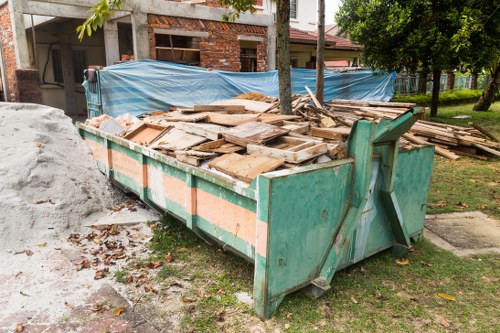
Garden clearance in Highbury should make outside spaces easier to use, safer to access and simpler to maintain. We clear away overgrown green waste, fallen branches, broken garden items, old planters, timber offcuts and general outdoor clutter, then separate reusable material from anything that needs responsible disposal. The service suits front gardens, rear gardens, communal courtyards and enclosed plots where accumulated waste has started to limit everyday use of the space.
Our work is planned around practical clearance rather than unnecessary disruption. That means we can deal with mixed garden waste in a structured way, whether the task is part of a seasonal tidy-up, the end of a tenancy, a property refurbishment or a larger outdoor project. Where material is bulky or awkward, we handle loading and removal so the area can be left ready for the next stage of gardening, landscaping or routine maintenance.
For a clear quotation, start with the basic details of the space and the type of garden waste you want removed. A few photographs can help describe access and volume, but they are not the only way to begin. If you are planning more than one outdoor task, ask about combining the work into a single visit. Tell us what needs clearing and what should stay in place.
What our garden clearance service covers
Garden clearance can involve much more than collecting a few bags of clippings. It often includes heavy or awkward items such as damaged fencing sections, weathered outdoor furniture, cracked pots, plant supports, broken sheds or timber that has been left after pruning or dismantling work. We separate this material carefully so usable items, recyclable material and residual waste can be managed in the most appropriate way.
Where a garden has become difficult to move through, clearance work may also include cutting back or removing dense green growth, lifting loose debris from corners and edges, and opening up access routes around paths, steps and side returns. This type of service is especially useful when you want the space returned to a usable condition without turning the job into a full landscaping project. If you need to discuss the scope, outline the main items first and then add anything that may be hidden behind them.
Green waste, branches and seasonal cuttings

One important part of garden clearance is the handling of green waste. This can include hedge trimmings, grass cuttings, leaves, weeds, prunings and other plant matter that builds up after maintenance work or weather damage. Green waste is often lighter than building debris, but it can still fill bins or bags very quickly, especially after a large cutback or an overdue tidy-up. Clearing it properly keeps the site usable and avoids leaving piles to rot down in place.
Branches and thicker woody material may need a separate approach from loose clippings. They can be awkward to bundle, and they often take up more vehicle space than people expect. Where suitable, we sort material so that organic waste can be managed efficiently and mixed loads can be broken down in a sensible order. If the job includes thorny growth, wet cuttings or long hedge offcuts, it helps to mention that early so the right tools and loading method can be planned.
Garden waste removal is also useful after storms, pruning sessions and changes of planting. If you have already started tidying the area, the remaining material can still be collected as a stand-alone service. Garden clearance can be arranged for a one-off clean-up or as part of a broader outdoor refresh, and the exact scope depends on what is on site and how it is best separated for removal.
Bulky outdoor items and mixed garden waste
Many gardens contain more than vegetation. Old benches, broken parasols, damaged plant tubs, rotting sleepers, dismantled play equipment and worn storage items all take up space and can make a garden feel unfinished. Clearance work for these items is usually best approached as a mixed load, because the material may include timber, metal, plastic and fabric in the same pile. Sorting them properly is an important part of getting the task done neatly.
When outdoor items have been stored for a long time, they may also be damp, fragile or partially collapsed. That can make lifting slower and more careful than a simple tidy-up. We work methodically so heavy pieces are moved safely and lighter waste is not crushed beneath them. If your garden contains a combination of waste types, the quotation should reflect the full load rather than just the most visible item. That keeps the job clear from the start.
Useful information before booking
Good preparation makes garden clearance easier to price and schedule, but it does not need to be elaborate. A short description of the space, access points and the main waste types is usually enough to begin. If there are narrow side passages, locked gates, shared entrances or fragile surfaces, mention them so the work can be planned around those constraints. In many cases, the clearest starting point is simply to identify what should be removed and what must remain in place.
It is also sensible to note whether the waste is dry, wet, compacted or mixed with soil, because that changes how it is handled. If you want to keep certain materials for reuse, separate them before the clearance begins.
- list any large items
- mention awkward access
- say whether bags, branches or mixed debris are included
When the garden is being cleared ahead of other work, such as fencing, planting or paving, it may help to stage the removal in a sensible order. Pricing and quotes gives a straightforward way to request an estimate, and it is useful for jobs where the amount of material may change once the site is checked properly.
Front gardens, rear gardens and shared outdoor spaces
Different outdoor spaces call for different clearance decisions. A small front garden may need careful removal of litter, cuttings and compact debris without disturbing boundary planting. A rear garden may require heavier loading because of larger waste piles, older furniture or the remains of previous DIY work. Shared outdoor spaces can introduce additional practical considerations, especially where access must be kept clear for neighbours or residents while the work is taking place.
We adapt the clearance approach to the layout of the space, not the other way round. Where there are steps, narrow turns or confined corners, loose material may need to be broken down before removal so the job can proceed safely. This is one reason it helps to explain the site honestly when asking for a quotation. The more accurately the job is described, the easier it is to match the right level of labour and vehicle capacity to the task.
Responsible disposal and sorting of materials
Responsible disposal matters in garden clearance because outdoor waste is rarely all the same. Green waste, untreated wood, plastic containers, broken household items and metal fittings may all appear in one job. Sorting those materials properly supports better handling downstream and reduces the chance of recyclable items being treated as general rubbish. It also keeps the service focused on practical removal rather than simple tipping.
Some items from gardens can be reused or recycled, while others need to go for residual disposal. We work through the load in a sensible sequence so the contents are separated where appropriate and loaded efficiently. That is particularly useful when a garden contains a long-running mixture of pruning waste, old storage items and dismantled features. If the waste includes anything unusual, explain it clearly at the quotation stage so it can be allowed for accurately.
When garden clearance is the right choice
Garden clearance is often the best option when the outdoor area has reached a point where basic bin collection or casual tidying is no longer enough. It can help after a long period without maintenance, before an inspection, after a tenant move-out or when a project has left the garden full of offcuts and temporary materials. The aim is not just to remove waste, but to restore a workable surface that can be used for the next step.
It also suits gardens where some items are too bulky, awkward or dirty to deal with through ordinary household disposal. If the work includes broken timber, heavy plant containers or wet vegetation, structured clearance is usually easier than piecemeal handling. In situations like that, it is better to describe the load plainly than to undersell it and discover later that there is more material than expected.
When you are ready to move forward, a short message is enough to begin. A plain description of the waste, access and any time-sensitive constraints will usually let us prepare a sensible response. For a direct conversation about the job, use the contact us page and ask for a garden clearance quotation.
About Highbury
Highbury is a north London district in the London Borough of Islington, shaped by a mix of residential squares, later terrace streets and older routes that developed around the former Highbury estate. The area is closely associated with Highbury Fields, one of Islington’s best-known green spaces, which provides an important open landscape within a densely built part of the capital. Its broad lawns, tree cover and leisure paths give the district a distinctive balance of urban housing and public open space. Highbury Corner remains one of the most recognisable local junctions, where routes converge near the boundary with nearby parts of north and east London. The place is also known for Highbury Stadium Square, the redeveloped site of Arsenal’s former football ground, which preserves elements of the original stadium architecture within a new residential setting. Around the district, Georgian and Victorian houses sit alongside later infill development, creating streets with varied rooflines, brickwork and front gardens. The local character is further shaped by transport links, cafes, schools and small businesses serving a settled residential population. Although Highbury feels compact on a map, it contains a strong sense of neighbourhood identity, with its open spaces, conservation areas and long-established street patterns contributing to a recognisable London place rather than a generic inner-city district.
Planning a straightforward quotation

A practical quotation for garden clearance depends on what is actually present on site. The main factors are the volume of waste, the mix of materials, how easy the load is to reach and whether anything needs to be dismantled or broken down first. Compact piles, scattered cuttings and heavy mixed debris can each affect the approach differently, so a clear description usually works better than a broad estimate. If the site includes both green waste and bulky outdoor items, note both together so the full scope is understood.
It is also useful to say whether access is direct or restricted. A short driveway, a narrow passage or steps between the garden and the street can change how the clearance is organised. Likewise, if there are items that should be left untouched, mention them at the same time so the quotation reflects the correct boundary of work. Clarity at the outset helps avoid confusion and makes it easier to arrange the right level of removal.
If you would like the garden cleared, the simplest next step is to request a quote and describe the waste in ordinary terms. You do not need to make the job sound more complex than it is. Just explain what needs removing, how much there is and when you would like it handled. That is usually enough to start a useful conversation and move the work towards booking.