How Proper Cardboard Disposal Protects Urban Environments

Introduction
Cardboard is the quiet backbone of city life. It carries our groceries, cushions online orders, and protects that late-night pizza. Yet in dense cities, those boxes pile up quickly--outside flats, behind shops, and in warehouse yards. When cardboard isn't handled properly, it clogs bins, blows down streets, blocks drains, and wastes valuable material that could be recycled. When it is handled well, it saves councils money, keeps pavements tidy, and cuts carbon. This guide explains How Proper Cardboard Disposal Protects Urban Environments--and how you can do it simply, confidently, and cost-effectively.
In our experience working with retailers, food businesses, and residents in bustling UK areas from London to Manchester, the cities that get cardboard right see cleaner streets, calmer collections, and happier neighbours. To be fair, cardboard might not be glamorous, but it's one of the most impactful materials you can manage. If you've ever stepped around an overflowing bin on a windy Thursday morning, you've felt the problem. The right disposal habits change that story.
Table of Contents
- Why This Topic Matters
- Key Benefits
- Step-by-Step Guidance
- Expert Tips
- Common Mistakes to Avoid
- Case Study or Real-World Example
- Tools, Resources & Recommendations
- Law, Compliance or Industry Standards (UK-focused)
- Checklist
- Conclusion with CTA
- FAQ
Why This Topic Matters
Cardboard is among the most recyclable and reused materials in modern life. According to industry analyses and UK waste guidance, paper and cardboard often make up a significant portion of municipal recycling streams--especially in e-commerce-heavy urban centres. When it's clean and dry, cardboard can be recycled multiple times, saving trees and energy. But when it's left out in the rain or contaminated by food, it becomes nearly worthless--and sometimes unusable, clogging the waste stream and increasing disposal costs.
The urban twist matters. High-density areas generate cardboard in bursts: weekday deliveries to shops, weekend online orders to flats, and daily packaging from food businesses. Poor timing and preparation can result in:
- Street litter: Wet, wind-blown cardboard scatters easily and looks unsightly.
- Blocked drains: Soggy boxes break apart and clog gullies, contributing to local flooding during heavy rain.
- Increased vermin: Food-stained packaging attracts pests.
- Higher emissions: Extra collection journeys and landfill/incineration increase the carbon footprint.
- Lost revenue: Clean, baled cardboard can be a commodity; spoiled cardboard is a cost.
Putting it plainly, How Proper Cardboard Disposal Protects Urban Environments is about aligning everyday habits with city-scale outcomes. It's the small actions--flattening a box, keeping it dry, arranging the right pickup--that keep the bigger system working smoothly. A shop manager in Brixton told us that after switching to a simple baler and a late-afternoon collection, their alley went from chaotic to calm. The smell of damp paper disappeared, and so did the foxes.
Key Benefits
Organising your cardboard disposal properly offers benefits that ripple across your home, business, and the wider city:
- Cleaner streets: Flattened, contained cardboard reduces wind-blown litter and overflow.
- Lower costs: Recycling is often cheaper than general waste; businesses may even earn rebates for clean, baled cardboard.
- Lower carbon footprint: Recycling cardboard typically uses less energy than producing new material; fewer collections and lighter bins also reduce transport emissions.
- Compliance peace of mind: Meeting UK duty-of-care rules and local council policies avoids fines and reputational damage.
- Operational efficiency: Clear routines mean staff spend less time wrestling with boxes and more time serving customers.
- Community goodwill: Neighbours notice tidy premises and appreciate businesses and households that keep pavements clear.
Truth be told, once the system's in place, you hardly think about it. The boxes get broken down, the bins close properly with a satisfying click, and the early-morning collection is quick and quiet. That's real-world urban harmony.
Step-by-Step Guidance
Below is a practical, UK-friendly sequence for residents, small businesses, and larger sites to get cardboard waste management right--day in, day out.
1) Start with the waste hierarchy
The UK follows the Waste Hierarchy: prevention > preparation for reuse > recycling > recovery > disposal. For cardboard, this means:
- Prevent: Choose products with minimal packaging; consolidate deliveries; use reusables where possible.
- Reuse: Repurpose boxes for storage or returns.
- Recycle: Keep cardboard clean and dry so paper mills can process it.
Each step above saves more resources than the one below it.
2) Set up the right containers
- Homes and flats: Use the council-issued recycling bin or a broken-down stack tied with string. Keep it indoors or under cover until collection day to avoid rain.
- Shops, cafes, and offices: Provide a dedicated cardboard-only container or cage. If space is tight, choose a slimline bin indoors and a lockable container outside.
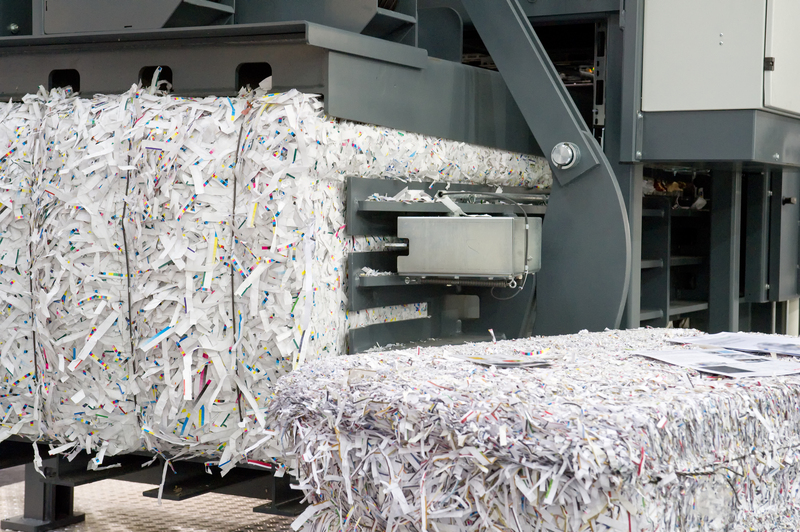
- Warehouses and multi-tenant buildings: Consider a compactor or baler to reduce volume by up to 90%. Place signage at the point of unpacking to catch materials where they arise.
Pro tip: a simple tarpaulin over stacked cardboard in a yard is better than nothing--rain ruins recyclability remarkably fast.
3) Train for three essentials: empty, clean, dry
Cardboard destined for recycling should be empty (no plastic film, no polystyrene), clean (no food or oil), and dry. Greasy pizza boxes? Tear away the clean lid for recycling and bin the greasy base. Small moves, big impact.
4) Flatten and sort immediately
Flattening boxes reduces volume dramatically. For businesses, it also discourages people from tossing general waste between intact boxes. Keep brown cardboard separate from paper where required by your council or waste contractor--this improves recycling quality and value.
5) Schedule collections to fit your flow
- Residential: Note collection days, set calendar reminders, and avoid putting cardboard out the night before in rainy forecasts.
- Business: Align pickup times with delivery schedules. Many urban shops prefer evening or early-morning collections to avoid daytime clutter.
In our work with a small deli in Hackney, simply shifting collections from Monday to Wednesday (after their biggest deliveries) reduced overflow complaints to zero.
6) Keep records (businesses)
Under UK duty-of-care rules, retain waste transfer notes and ensure your collector has a valid Waste Carrier Licence. Use the correct European Waste Catalogue code for paper/cardboard packaging (commonly 15 01 01). It's routine paperwork that proves you're doing the right thing.
7) Optimise over time
Monitor contamination rates, overflows, and collection frequency. If you see wet or food-soiled boxes creeping in, add signage, training, or a small roof over the storage area. Continuous improvement keeps costs and carbon down.
Expert Tips
- Protect from weather: Even a brief shower can downgrade a high-quality bale to mush. Store under cover or inside until pickup.
- Focus on weight and volume: Cardboard is light but bulky. A baler or even a manual banding tool can shrink space needs dramatically.
- Label clearly: Use pictograms and simple, snappy language: "Cardboard only--empty, clean, dry." Big fonts. Eye-level.
- Capture at source: Put a cutting station near the delivery area so staff flatten and sort boxes immediately.
- Know your council's rules: Some UK councils take large cardboard if cut down; others require booking a bulky collection. Follow the local system for smoother service.
- Designate responsibility: For a business, make one person the "cardboard champion." People take better care when someone takes ownership.
- Separate food zones: Keep cardboard away from prep areas to avoid grease splatters. Even a light splash can cause rejection at the mill.
- Bundle for flats: In multi-occupancy buildings, a simple rule--flatten boxes and tie them--prevents bin rooms from turning into cardboard caves.
- Track rebates: If you bale, check market prices. Clean, well-stacked bales can fetch a modest rebate, offsetting waste costs.
- Think reusables: Where regular inner-city delivery loops exist, consider reusable totes for predictable items (e.g., bread trays, insulated food containers).
Let's face it, no one enjoys the sight (or smell) of overflow bins after a weekend. A few smart tweaks today can spare you those Monday morning headaches.
Common Mistakes to Avoid
- Leaving boxes intact: Unflattened boxes eat up bin space and invite contamination.
- Storing outside without cover: Wet cardboard often can't be recycled. Rain ruins good material fast.
- Mixing materials: Plastic film, bubble wrap, and polystyrene must be removed. Mixing drives up contamination and rejection rates.
- Food contamination: Grease and food residue spoil recycling. Tear off clean sections and bin the rest.
- No clear signage: If staff or tenants don't know the rules, the system fails. Make signage unmissable.
- Wrong collection frequency: Too infrequent causes overflow; too frequent wastes money and increases truck emissions.
- Poor record-keeping (businesses): Missing waste transfer notes or using an unlicensed carrier risks fines and interruptions.
- Ignoring seasonal peaks: Christmas, sales, or local events spike cardboard volumes. Plan ahead with extra capacity.
One shop owner told us their alley "always looked like a paper factory exploded" until they introduced a twice-daily flattening routine. Now you can walk by without stepping over a single flap of cardboard.
Case Study or Real-World Example
Urban cafe chain, Central London
Background: A three-site cafe group near Holborn struggled with overflowing bins, early-morning complaints from neighbours, and high general waste costs. Deliveries arrived daily, and the staff were short on storage space.
Actions:
- Installed a small footprint vertical baler at the busiest site (fits in a cupboard-sized utility area).
- Trained staff on "empty, clean, dry" and set up a cutting station by the delivery door.
- Introduced a lockable, weatherproof cage in the rear yard.
- Shifted collections to later in the afternoon to match delivery cycles.
- Contracted a fully licensed waste carrier and began retaining digital waste transfer notes.
Results (3 months):
- 50% reduction in general waste volume.
- Eliminated overflow incidents and neighbour complaints.
- Net cost savings after accounting for a modest cardboard rebate and fewer general waste lifts.
- Cleaner premises: The damp paper smell in the yard disappeared, and staff reported fewer "bin runs" during rush hours.
As the manager put it, "We went from juggling soggy boxes to a 10-second routine--cut, flatten, bale. It feels professional now."
Tools, Resources & Recommendations
Whether you're in a studio flat or a distribution hub, the right tools and partners simplify proper cardboard disposal and recycling.
Practical tools
- Box cutter and safety gloves: Speed up flattening safely.
- Banding or twine: Tie flattened stacks for easy handling--especially in flats.
- Weatherproof storage: A lockable bin, cage, or covered area keeps cardboard dry.
- Baler or compactor: For businesses generating high volumes; reduces storage needs and may unlock rebates.
- Signage: Clear visuals at the point of disposal, ideally waterproof and durable.
Service partnerships
- Local councils: Kerbside services vary; check rules for large cardboard and collection schedules.
- Licensed waste carriers: Verify registration on the UK public register; ensure you receive waste transfer notes.
- Facilities management: In multi-tenant buildings, a centralised solution improves consistency and cost-sharing.
Useful UK resources
- WRAP (Waste & Resources Action Programme): Guidance on recycling quality, contamination reduction, and circular economy practices.
- Defra (Department for Environment, Food & Rural Affairs): Policy updates, including Extended Producer Responsibility (EPR) for packaging.
- Environment Agency: Waste carrier licence register and duty-of-care resources.
- Recycle Now: Public guidance on what goes where, with postcode-based information for residents.
The practical takeaway: match your tools to your space and your volume, and choose partners who share your standards for clean, dry, traceable cardboard recycling.
Law, Compliance or Industry Standards (UK-focused if applicable)
UK law encourages waste reduction and high-quality recycling, with specific responsibilities for households, businesses, and waste handlers. Understanding the basics helps you stay compliant and confident.
Key legal frameworks
- Environmental Protection Act 1990 & Duty of Care: Businesses must store waste safely, use authorised carriers, and keep records (waste transfer notes). Cardboard counts as controlled waste when handled commercially.
- Waste (England and Wales) Regulations 2011: Embed the waste hierarchy--prevent, reuse, recycle--into decision-making.
- Packaging Waste Regulations and Extended Producer Responsibility (EPR): Producers of packaging must report and (increasingly) fund the collection and recycling of packaging materials, including cardboard.
- Waste Carrier, Broker and Dealer Registration: Check your collector's licence on the public register.
- Separate collection requirements: Many councils and contractors require paper/cardboard to be separated from other waste streams for quality.
Practical compliance steps (businesses)
- Use the correct EWC code for paper/cardboard packaging (commonly 15 01 01) on waste transfer notes.
- Retain documentation for at least two years (often longer per internal policy).
- Store safely: Prevent windblown litter, water damage, or pest access.
- Train staff and maintain signage to reduce contamination.
- Audit periodically: Check containers, bale quality, and collection schedules.
The compliance aim is simple: the right material, in the right state, to the right place--with a paper trail. That's the backbone of trust in urban recycling systems.
Checklist
Use this quick checklist to keep your cardboard disposal tight, tidy, and effective.
- Flatten boxes immediately after unpacking.
- Remove plastic film, polystyrene, and bubble wrap.
- Keep cardboard empty, clean, dry.
- Store under cover or indoors until collection.
- Label containers clearly: "Cardboard only."
- Match collection times to your delivery peaks.
- Check your council or contractor's separation rules.
- For businesses: verify carrier licence; keep waste transfer notes with EWC code 15 01 01.
- Review performance monthly; adjust frequency and signage as needed.
- Plan for seasonal peaks (Christmas, sales, festivals).
Tick these off, and you'll notice calmer mornings, fewer overflows, and perhaps even a lighter waste invoice.
Conclusion with CTA
How Proper Cardboard Disposal Protects Urban Environments isn't a grand theory--it's a daily habit that turns our busiest streets into cleaner, safer, more liveable places. From the hush of an early-morning collection to the sight of a tidy shopfront after deliveries, good cardboard management is a small civic act with big environmental returns. When you prevent contamination, store under cover, and schedule smartly, you cut emissions, keep neighbours happy, and free up public money for other services.
Whether you're a flat-dweller who orders the odd parcel or a city-centre business knee-deep in boxes by 10 a.m., you have the tools to make this easy. Start with a cutter, a clear label, and a covered spot. Build from there. Truth be told, the difference you'll see in just a week can be startling--in the best way.
Get a free quote today and see how much you can save.
Here's to cleaner streets, lighter bins, and that satisfying feeling when the lid closes neatly every time. You've got this.
FAQ
How does proper cardboard disposal protect urban environments?
By keeping cardboard clean, dry, and contained, cities reduce litter, pests, and blocked drains, while improving recycling rates and lowering emissions from collection and disposal.
Can wet cardboard be recycled?
Generally no. Moisture weakens the fibre and can cause mould, leading mills to reject material. Keep cardboard under cover until collection to preserve quality.
What should I remove from cardboard before recycling?
Take off plastic film, bubble wrap, polystyrene, and heavy tape. A few small tape strips are usually acceptable, but less is better for fibre quality.
Are greasy pizza boxes recyclable?
Only the clean parts. Separate the clean lid for recycling and bin the greasy base. Food-contaminated fibres cause quality issues at the mill.
How can businesses reduce cardboard disposal costs?
Flatten at source, keep it dry, consider a baler to reduce volume, optimise collection frequency, and check if clean bales qualify for rebates.
What UK regulations apply to cardboard waste?
Key rules include the Environmental Protection Act 1990 (Duty of Care), Waste (England and Wales) Regulations 2011 (Waste Hierarchy), packaging regulations, and waste carrier licensing.
Do I need to separate cardboard from paper?
Many councils and contractors collect them together, but quality improves when separated. Check local guidance; separation often leads to higher recycling rates.
Which EWC code should businesses use for cardboard?
For paper/cardboard packaging, use EWC code 15 01 01 on waste transfer notes. Always confirm with your contractor for your specific materials.
How do I handle cardboard in a block of flats with limited space?
Flatten and tie bundles, use a shared cage or lockable bin, and keep them under cover. Clear signage in bin rooms helps residents follow the same routine.
What's the best time for businesses to schedule collections?
Align pickups with delivery peaks--often late afternoon or early morning--to prevent overflow and reduce handling during trading hours.
Can cardboard be reused instead of recycled?
Absolutely. Reuse boxes for storage, returns, or moving. Reuse sits higher in the waste hierarchy and saves more resources than recycling.
What if my waste carrier isn't licensed?
Don't use them. You could be liable if waste is mismanaged. Check the public register for a valid Waste Carrier Licence and keep records of collections.
Is shredding cardboard for composting a good idea?
In small amounts, brown cardboard can be composted as a carbon source, but it must be clean, uncoated, and shredded. For urban settings, recycling is usually more efficient and scalable.
Will a small business really benefit from a baler?
If you generate steady volumes and have limited storage, yes. A compact baler can cut space by up to 90% and improve pickup rates or rebates. Assess cost versus volume.
How can I prevent cardboard theft or fly-tipping near my premises?
Use lockable containers, schedule timely collections, and keep storage areas well lit. Clear signage and tidy presentation reduce opportunistic dumping.
Does tape or labels need to be removed?
Remove as much as practical. Small amounts of tape and labels are typically tolerated, but heavy plastic tape or large labels should be cut away where possible.
How often should I train staff on cardboard disposal?
Include it in new-starter induction and refresh quarterly or during peak seasons. Short, visual reminders near workstations keep standards high.
Can proper cardboard disposal lower my carbon footprint?
Yes. Recycling cardboard saves energy versus virgin production and reduces landfill/incineration emissions. Efficient collections and reduced overflow also cut transport-related emissions.
What's the simplest change I can make today?
Start flattening every box immediately and keep it dry. That single habit reduces volume, mess, and contamination in one go.
From quiet early streets to tidy shopfronts, the way we handle cardboard shapes daily city life. With small, consistent actions, you're part of the solution.