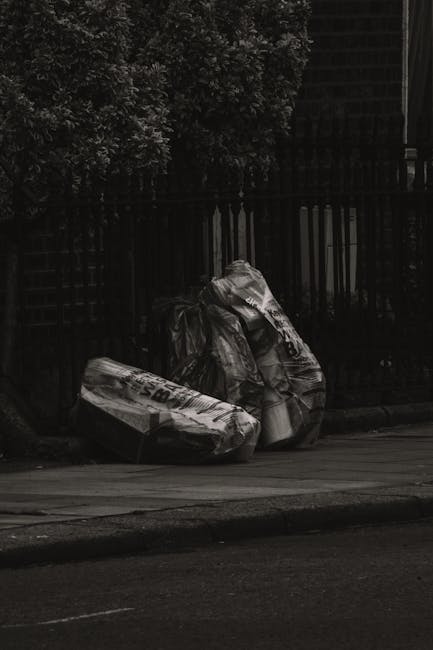
Rubbish clearance near Highbury and Islington station: a practical local guide for homes, flats and businesses
If you are trying to sort out rubbish clearance near Highbury and Islington station, chances are you want the job done quickly, tidily, and without turning your day upside down. Maybe it is a flat move, a builder's mess after a refurb, a garage that has quietly become a storage cave, or a pile of broken furniture that has been "waiting for the weekend" for three weekends in a row. We have all been there.
This guide explains how local rubbish clearance typically works around Highbury and Islington, what to expect, how to choose the right type of service, and how to avoid the mistakes that usually lead to delays or extra cost. It also covers practical checks, compliance points, and the small details that matter when you are clearing waste in a busy part of London.
In plain English: if you need space back, want the mess gone properly, and do not want to waste half a day guessing what happens next, you are in the right place.
Why rubbish clearance near Highbury and Islington station matters
Highbury and Islington is a lively, well-connected part of London, which is great for getting around but not always brilliant when you are trying to move bulky waste. Streets can be busy, parking can be awkward, and access in flats or converted buildings can be tight. That means rubbish clearance is not just about lifting things away. It is about planning the removal so it happens neatly, safely, and with as little disruption as possible.
People often underestimate how much extra hassle waste creates in urban areas. A single sofa left in a hallway can block access. A few bags of mixed rubbish can turn into a bulky trip hazard. A pile of builder's debris in a front garden can make a property look half-finished, which is never ideal if you are selling, letting, or simply trying to feel settled again.
There is also the responsible side of it. Waste has to be sorted, moved, and handled properly. That includes recycling where possible and disposing of items in line with accepted UK practice. A good clearance service takes the pressure off you, but it also helps keep the area cleaner and safer for neighbours, passers-by, and anyone sharing a stairwell or entrance.
Expert summary: in busy London locations, the best rubbish clearance is rarely the one that simply removes the most stuff. It is the one that removes the right stuff, with the least fuss, and leaves the space genuinely usable afterwards.
If you are comparing options, it can help to understand the broader service range too. For example, some jobs are better matched to general waste removal, while others are more specific, such as a flat clearance or a house clearance. That distinction matters more than people think. No point booking the wrong thing and then wondering why the team turns up expecting something different. Happens all the time, truth be told.
How rubbish clearance near Highbury and Islington station works
Most local rubbish clearance jobs follow a fairly simple pattern, although the exact setup depends on the size of the load, the type of waste, and access to the property. The main thing is to make the process predictable. You do not want mystery on the day.
Typically, it starts with a description of what needs to go. Photos are often helpful because they show volume, awkward items, and access issues such as stairs, narrow corridors, or limited loading space. If a team can see the waste in advance, they can usually give a more realistic plan and a smoother experience.
On the day, the crew arrives, assesses the items, and confirms the load before starting. Good operators will also check whether anything needs to be separated, protected, or handled carefully. That could mean old paint tins, electrical items, confidential paperwork, or furniture that needs dismantling before it can be carried out.
Then comes the actual clearance. Bags, loose waste, bulky items, and debris are removed from the property or exterior space. After that, the waste is sorted for reuse, recycling, or disposal, depending on what is appropriate. If you want a deeper look at responsible handling, the site's recycling and sustainability approach is a useful place to understand the wider mindset behind proper disposal.
For bigger jobs, you may notice that a clearance company also asks about parking, lift access, and timing. That is not fussiness. It is the difference between a job that runs smoothly and one that turns into ten extra phone calls and a grumpy neighbour at the window.
Key benefits and practical advantages
The obvious benefit is getting rid of unwanted waste. But the practical advantages go further than that. A good rubbish clearance near Highbury and Islington station can reduce stress, free up space, improve safety, and save time you probably do not have to spare.
- Space comes back quickly. That spare room, hallway, garden corner, or office cupboard becomes usable again.
- Less physical strain. Heavy lifting, stairs, and awkward items are handled by people used to doing the job.
- Cleaner presentation. This matters for landlords, sellers, tenants, shopfronts, and anyone trying to make a property look cared for.
- Better waste sorting. Reusable and recyclable items can be separated rather than thrown into one mixed pile.
- Fewer access headaches. In a station area with traffic and tight roads, proper planning saves time and frustration.
There is also the less glamorous benefit of mental relief. You know that feeling when the clutter stops staring back at you? It is oddly satisfying. Not dramatic, just calm. The room feels lighter, and suddenly the place makes sense again.
For households, this can be especially useful during downsizing, renovation, or after a tenancy ends. For businesses, it keeps workspaces functional. For landlords and agents, it helps turn properties around without delay. And for tradespeople, it can clear builders' mess before it becomes a hazard.
Who this is for and when it makes sense
Rubbish clearance near Highbury and Islington station makes sense for a wide range of people, but the common thread is simple: you have more waste than you can realistically deal with yourself, and you want it gone properly.
Here are the most common situations:
- Flat owners and tenants dealing with furniture, bags of mixed rubbish, or end-of-tenancy clutter.
- Homeowners clearing lofts, garages, spare rooms, sheds, or after small renovations.
- Landlords and letting agents who need a property stripped back between occupancies.
- Office managers disposing of old desks, chairs, archive waste, and general workspace clutter.
- Trades and contractors with demolition rubble, packaging, and builders' waste.
- Shop and hospitality businesses replacing fixtures, packaging, or damaged items.
Sometimes the right answer is very clear. If you have one broken wardrobe and a few bags, a small collection is straightforward. If you are dealing with a whole flat after a move, a home clearance service or house clearance service may fit better. If it is mostly old seating or tables, furniture clearance or furniture disposal might be the cleanest route.
And if you are not sure? That is normal. Most people are not waste experts. They just know the pile is too large and the hallway is getting embarrassing.
Step-by-step guidance
If you want the process to go smoothly, a little preparation helps. Nothing fancy. Just enough to avoid the usual snags.
- Walk through the waste and decide what is actually going. Separate keep, donate, recycle, and remove if you can. Even a rough sort helps.
- Take clear photos. Include the whole load, access points, and any awkward items. This gives a more realistic idea of the job.
- Check access. Think about stairs, lifts, narrow entrances, parking, and timing. Around a station, that detail can matter a lot.
- Identify anything special. Items such as electricals, sharp materials, confidential paperwork, or heavy rubble may need extra care.
- Ask about the service type. A job might be better suited to a garage clearance, loft clearance, or builders' waste clearance depending on what is involved.
- Confirm timing and expectations. Know when the team is coming, how long the job may take, and whether anyone needs to be present.
- Keep the route clear. Hallways, staircases, and front access should be as open as possible.
- Review the cleared space. Once the waste is gone, check that nothing small has been missed.
That sounds simple, and mostly it is. The trick is just not skipping the boring bits. The boring bits are what make the day easier.
If you are arranging a clearance alongside a business move or refit, it is also worth checking whether office clearance or business waste removal is more appropriate than a general collection. Matching the service to the load saves time, and time is the whole game in a place like this.
Expert tips for better results
A few small habits can make a surprisingly big difference. Not glamorous, but effective.
First, be realistic about volume. People often underestimate how much space broken items, packaging, and mixed waste actually take up. A room that looks "mostly empty" can still produce a full load once you start moving things around.
Second, keep categories separate where possible. Wood, metal, cardboard, green waste, general rubbish, and furniture can often be handled more efficiently if they are not all piled together. You do not need museum-level sorting. Just enough structure to help.
Third, mention anything awkward early. Stair-only access, limited loading space, or bulky items with no handles are not problems on their own. They only become problems when nobody mentions them. A quick note saves the day.
Fourth, think about timing. If you are in a busy stretch near the station, quieter times can sometimes make access easier. Early mornings can be calmer. So can mid-week slots, depending on the property and the road layout.
Fifth, ask about disposal and paperwork if needed. For commercial or mixed waste jobs, it is sensible to understand how the operator handles documentation, receipts, and traceability. Nothing elaborate. Just enough to know the waste has been dealt with responsibly.
One more thing, and this gets overlooked all the time: if an item can be reused, say so. A clearance company may be able to separate it rather than sending it straight into the waste stream. That is better for everyone, including your conscience.
Common mistakes to avoid
Let's face it, most rubbish clearance problems come from a few predictable errors. They are easy to avoid once you know them.
- Booking the wrong type of service. A few bags are one thing; a full property clearance is another.
- Not mentioning access issues. Narrow stairs or no parking can change the whole plan.
- Mixing everything together. It makes sorting slower and can complicate disposal.
- Leaving it until the last minute. Deadlines make waste more stressful, especially during moves or refurbishments.
- Assuming all items are acceptable. Some materials need special handling or separate arrangements.
- Forgetting sentimental or important items. This is a classic. A quick final check can save you from one of those "oh no" moments later.
Anecdotally, the biggest hiccup is usually not the waste itself. It is the surprise. A locked loft, a forgotten storage cupboard, a broken lift, a parking bay that was not available after all. Tiny things, but they have a habit of becoming very loud on the day.
Tools, resources and recommendations
You do not need a truckload of equipment to prepare for a clearance, but a few basic tools make life easier. Think practical, not fancy.
- Heavy-duty bags for mixed rubbish and smaller loose items.
- Gloves if you are sorting through dusty storage, sharp edges, or old garden waste.
- Box cutters or a small hand tool set for breaking down packaging or dismantling simple furniture.
- Tape and labels if you are separating keep, donate, and remove piles.
- Storage boxes for items that should not get mixed into the clearance.
On the service side, it helps to understand the difference between a few related pages. For example, if the job is centred on an outbuilding or storage area, garage clearance may be more useful than a broad rubbish removal request. If it is a loft full of old boxes and forgotten seasonal clutter, loft clearance may be the better match. And if the waste is mostly outdoor debris, garden clearance is often the sensible route.
If cost is on your mind - and usually it is - a clear quote process matters. The pricing and quotes information can help you understand what good quoting practice looks like, even before you decide who to use. Transparent pricing makes comparison much easier, especially when different jobs are not really like-for-like.
Law, compliance, standards and best practice
Waste handling in the UK is not something to be casual about. You do not need to become a legal expert, but you should expect the company you choose to work responsibly and in line with accepted waste management practice.
At a practical level, that usually means the operator should:
- handle waste safely and avoid unnecessary mess;
- sort recyclable material where possible;
- avoid fly-tipping or careless disposal;
- respect access, neighbours, and shared spaces;
- take care with heavy or awkward loads;
- follow its own health and safety controls.
For business customers, it is also sensible to ask about documentation and how mixed waste is managed. For domestic customers, the key expectation is simpler: the clearance should be lawful, tidy, and handled by people who understand what they are doing. That may sound obvious, but in real life it is worth checking.
If you want reassurance about how a provider approaches safe working, the pages on health and safety policy and insurance and safety are useful indicators of how seriously they take the basics. Those are the sorts of things that matter when heavy lifting, shared stairwells, and time pressure all meet in one job.
There is also a trust angle here. A business that publishes its about us information and explains how it works is usually easier to assess. Not perfect, of course, but easier. And in waste clearance, clarity is a very good sign.
Options, methods and comparison table
Not every clearance needs the same approach. Some people want a quick one-off collection; others need a more structured property clearance. This table gives a simple comparison.
| Option | Best for | Typical advantages | Things to watch |
|---|---|---|---|
| General rubbish clearance | Mixed household or light commercial waste | Flexible, fast, suited to varied loads | Needs clear description of what is included |
| Flat clearance | Tenancies, relocations, compact urban spaces | Good for stair access and compact homes | Parking and access can affect timing |
| House or home clearance | Whole-property declutters, probate, downsizing | Comprehensive and organised | May take longer than expected if items are spread out |
| Furniture-focused removal | Sofas, tables, beds, wardrobes | Good for bulky items | May require dismantling or careful lifting |
| Builders' waste clearance | Renovations and construction leftovers | Useful for rubble, packaging and site debris | Heavy waste needs proper handling and loading plans |
| Office clearance | Workplace furniture and operational clutter | Good for business moves and refurbishments | Confidential items may need extra care |
If you are deciding between methods, ask yourself one question: do I need a simple lift-and-remove job, or do I need a more organised clear-out of the property? That answer usually points you in the right direction.
Case study or real-world example
Picture a typical afternoon near the station. A first-floor flat has been emptied after a move, but the final pieces are awkward: a broken bed frame, two chairs, a coffee table, several black bags, and a few odds and ends in the hallway. Nothing dramatic, but enough to block the space and make it feel unfinished.
The residents have already boxed up the things they want to keep. They have also separated a small pile of items that could be reused. The team arrives, checks the access, and confirms what is going. The bed frame is dismantled, the bags are carried down carefully, and the furniture is removed without clattering through the communal area. One small detour because the parking space was tighter than expected, but the job still finishes neatly.
What made it work well? A few simple things:
- clear photos in advance;
- honest details about the stairs;
- separating keep and remove items before the team arrived;
- choosing the right type of clearance for the load.
That kind of job is not glamorous. It just quietly solves a problem. And honestly, that is what most people want.
Practical checklist
Use this before booking rubbish clearance near Highbury and Islington station.
- Have I identified exactly what needs removing?
- Have I taken photos of the waste and access points?
- Do I know whether this is general waste, furniture, builders' waste, or a property clearance?
- Have I checked for stairs, lifts, parking, and narrow entrances?
- Have I separated anything I want to keep?
- Have I flagged any heavy, sharp, confidential, or unusual items?
- Have I looked at timing and whether the area may be busy?
- Do I understand the quote and what it includes?
- Have I reviewed the provider's safety and disposal approach?
- Have I left the route to the waste as clear as possible?
Quick takeaway: the smoother the preparation, the less stressful the day. Simple as that.
Conclusion
Rubbish clearance near Highbury and Islington station is about more than getting rid of unwanted items. It is about making a busy London setting work for you instead of against you. Good preparation, the right service type, and a provider who handles waste responsibly all make a real difference.
Whether you are clearing a flat, sorting a loft, moving furniture, or dealing with builders' waste, the same principles apply: be clear about the load, think about access, and choose a service that matches the job. Do that, and the process becomes much easier than people expect. Sometimes even pleasantly so.
If you are comparing options, take a moment to review the wider service information on waste removal and related pages such as pricing and quotes. A little clarity upfront can save a lot of back-and-forth later.
Get a free quote today and see how much you can save.
And if all you needed was a bit of guidance before getting started, hopefully you now have it. One less thing hanging over you. That counts for something.
Frequently Asked Questions
What counts as rubbish clearance near Highbury and Islington station?
It usually means the collection and removal of unwanted household, furniture, garden, office, or light construction waste from homes and businesses close to the station area.
How do I know whether I need rubbish clearance or a full property clearance?
If you have a few items or mixed bags, rubbish clearance may be enough. If you are clearing an entire flat, house, loft, or garage, a more specific property clearance is often the better fit.
Can bulky furniture be removed from flats and upper floors?
Yes, in many cases it can. Access details matter, though. Stairs, lifts, and narrow corridors should be mentioned before the job so the team can plan properly.
What happens to the waste after it is collected?
Responsible operators sort items for reuse, recycling, or disposal depending on the material. The aim is to keep the process tidy and as sustainable as possible.
Is rubbish clearance suitable for end-of-tenancy clear-outs?
Yes, very often. End-of-tenancy jobs commonly involve furniture, bags of general waste, forgotten storage items, and the odd surprise in a cupboard or loft.
Do I need to sort the rubbish before collection?
You do not need perfect sorting, but separating keep, recycle, and remove piles helps a great deal. It can save time and make the collection more efficient.
What should I tell the provider before booking?
Share what needs removing, how much there is, access details, parking information, and whether anything is heavy, fragile, or unusual. The more accurate the description, the smoother the job.
How long does a typical rubbish clearance take?
It depends on volume, access, and the type of waste. A small load may be quick, while a larger flat or house clearance naturally takes longer.
Can businesses use rubbish clearance services too?
Yes. Offices, shops, hospitality venues, and landlords often use clearance services for furniture, packaging, fixtures, and general business waste.
What is the difference between furniture disposal and furniture clearance?
Furniture disposal usually focuses on getting rid of specific items, while furniture clearance can involve a larger collection of bulky pieces or a more complete clear-out.
Are there safety considerations for rubbish clearance?
Yes. Heavy lifting, sharp edges, cluttered stairwells, and tight access can all create risks. That is why safety procedures and careful handling matter.
How can I get a better quote for rubbish clearance?
Provide photos, be specific about what is included, and mention access issues early. Accurate information helps avoid surprises and usually leads to a more useful quote.